Decoding Synchronization Between RNG Certifications and Cross-Platform Reward Tier Unlocks in Regulated Digital Gaming Networks
Written by Ines Simmons · Oct 12, 2026
Decoding Synchronization Between RNG Certifications and Cross-Platform Reward Tier Unlocks in Regulated Digital Gaming Networks
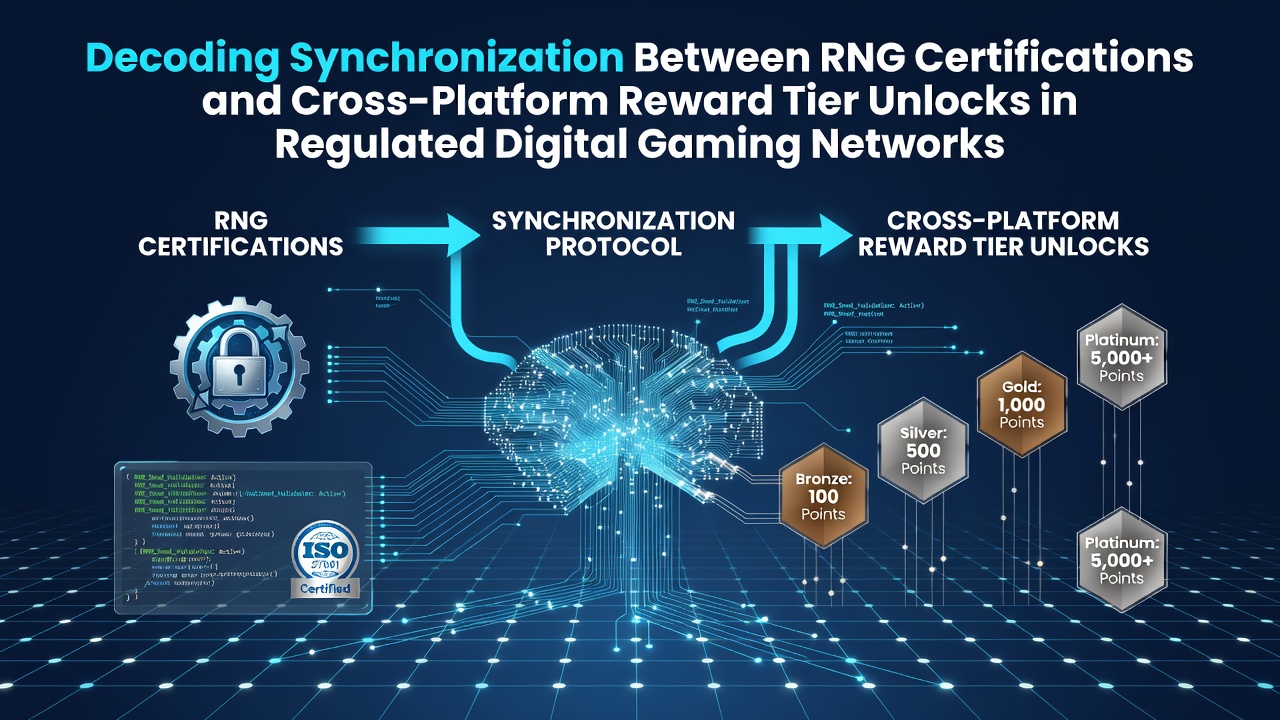
Regulated digital gaming networks rely on precise coordination between random number generator certifications and the mechanisms that release tiered rewards across multiple devices, and this coordination shapes how operators maintain compliance while delivering consistent player experiences. Independent testing laboratories evaluate RNG systems to confirm statistical randomness, after which regulators review those results before approving game titles for deployment on desktop, mobile, and tablet interfaces.
RNG Certification Standards Across Jurisdictions
Certification bodies apply standardized test suites that examine millions of game outcomes for bias, predictability, and adherence to theoretical return-to-player percentages, and these evaluations occur before any title receives approval for live operation. Data from the New Jersey Division of Gaming Enforcement shows that certified RNG modules undergo periodic re-audits every six to twelve months, which helps sustain integrity when games migrate between platforms.
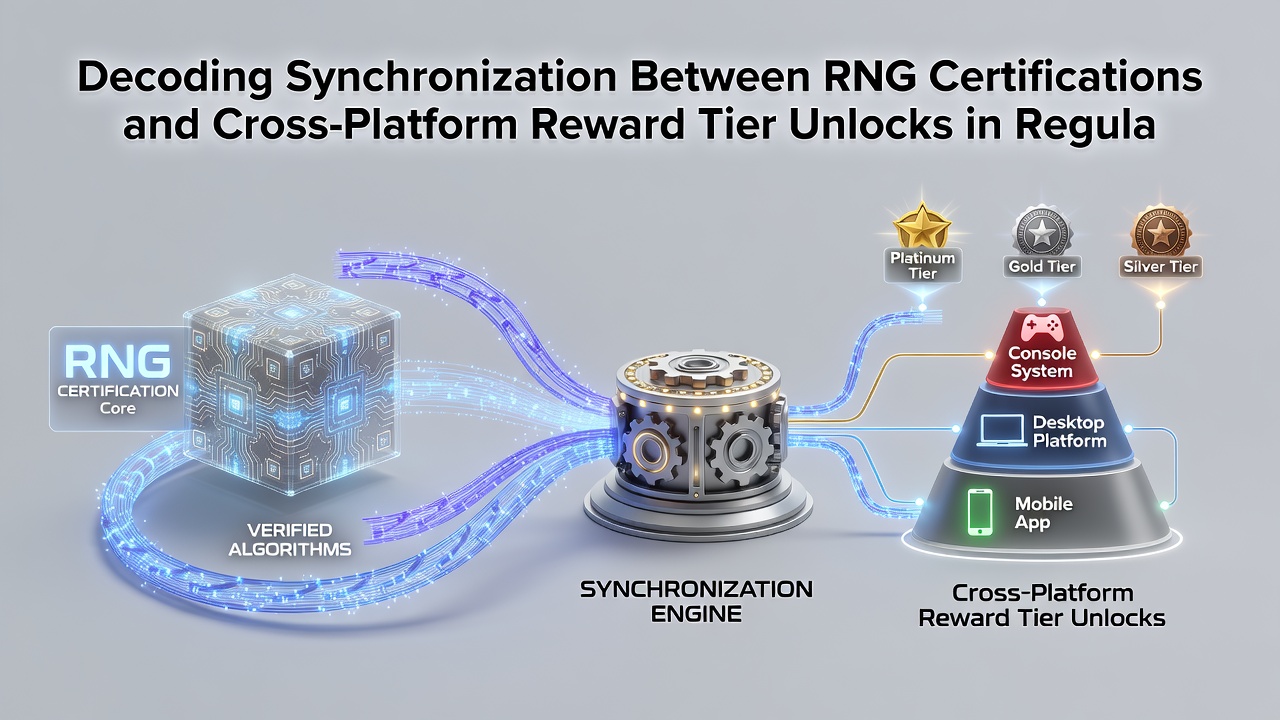
Operators must demonstrate that the same certified RNG instance governs outcomes whether a player accesses a title through a browser or a native application, and synchronization protocols ensure reward calculations draw from identical random sequences. Research indicates that discrepancies between certified RNG outputs and reward triggers can delay tier advancement, because systems flag inconsistencies during automated compliance checks.
Cross-Platform Reward Tier Mechanics
Reward tiers typically accumulate points based on wager volume, session duration, and game type participation, yet cross-platform systems require unified tracking that pulls data from all connected devices in real time. When RNG certification confirms fairness, operators gain clearance to link those verified outcomes directly to loyalty algorithms that unlock higher status levels, bonus multipliers, and exclusive tournament entries.
One study of multi-state operators revealed that platforms using synchronized RNG and reward databases experienced fewer player disputes over tier progression, because every transaction log references the same certified random source. In October 2026, several North American networks introduced updated application programming interfaces that map RNG certification timestamps to reward ledger entries, reducing latency between game completion and status updates.
Regulatory Oversight and Technical Integration
Regulators in multiple regions require operators to submit evidence that reward tier algorithms cannot influence RNG behavior, and this separation prevents manipulation of outcomes to favor higher-status players. The Alcohol and Gaming Commission of Ontario publishes technical standards that explicitly address data handshakes between certified random generators and loyalty management modules, ensuring that tier unlocks occur only after verified random results are recorded.
Technical teams implement cryptographic hashing and timestamp synchronization so that each RNG seed used in a game round carries a certification identifier that reward engines reference during point allocation. Observers note that networks achieving full synchronization report smoother audit trails, because every reward release traces back to a specific certified RNG instance without manual reconciliation.
Challenges in Maintaining Synchronization
Network latency, device-specific caching, and third-party software updates can interrupt the flow of certified RNG data to reward systems, and operators deploy redundant verification layers to detect such breaks. Figures from the European Gaming and Betting Association indicate that platforms conducting quarterly end-to-end synchronization tests reduce certification-related compliance incidents by measurable margins compared with less frequent reviews.
When a new game variant receives RNG certification, operators must propagate the approval across all distribution channels before associated reward tiers become active, which creates a staged rollout sequence that compliance teams monitor closely. Those who have examined these processes find that early detection of desynchronization prevents temporary holds on player accounts and preserves trust in the tier progression system.
Conclusion
Effective synchronization between RNG certifications and cross-platform reward tier unlocks depends on standardized testing, real-time data mapping, and regulatory alignment across jurisdictions. As networks expand device coverage and introduce new game formats, continued refinement of these technical and procedural links supports consistent compliance and reliable reward delivery for players operating within regulated environments.